An illustrated historical investigation
Technocracy, Joshua Haldeman and the strange family history behind Elon Musk.
We began with a grandmother. The trail led to a forgotten movement that wanted to redesign a continent.
mediastir · September 2026
EPUB edition prepared as the canonical structured publication for mediastir web ingest and long-form reading.
It began with a small piece of family history. Elon Musk had a Scouse nan. At least, that was the story.
It was exactly the sort of claim that invites a quick search and a tidy answer. A grandmother, a birthplace, perhaps a census return. Instead, one name led to another, one country to another, and the family tree opened onto a political movement that once proposed reorganising an entire continent.
There were engineers and adventurers, chiropractors and political organisers; the Great Depression, grey-uniformed motorcades, a continental economy measured in energy rather than money, a red-and-white symbol called the Monad, a wartime ban in Canada and, eventually, aircraft over southern Africa.
At the centre of the family trail stood Joshua Norman Haldeman, Elon Musk's maternal grandfather. Before he became a footnote in biographies of his grandson, Haldeman had already lived several lives.
This project distinguishes between primary records, contemporary reporting, later scholarship, family recollection and unresolved leads. Similarity is not inheritance, and family connection is not proof of ideological transmission.
The investigation began with a grandmother. The records immediately complicated the story.
Her name was Winnifred Josephine Fletcher—Wyn. She married Joshua Haldeman in Moose Jaw, Saskatchewan, in 1942 and became the mother of Maye Haldeman Musk.
Follow Wyn's records and the first surprise appears: she was born in Moose Jaw, Saskatchewan, on 10 March 1914, not Liverpool. Her parents, however, carried the trail back across the Atlantic. Harold Joseph Fletcher was English-born. Her mother, Edith Reeve Angel, was also born in England; Maye Musk has more recently described Edith as being from Clapham, Surrey. That more precise location is family testimony and should be treated as such until matched to a primary civil record.
So the question changed. The point was no longer to prove a family anecdote. It was to discover what the records actually said.
There is another twist waiting elsewhere in the family tree. Evidence points toward Musk's paternal grandmother, Cora Amelia Robinson, having been born in the Liverpool area. That thread deserves primary-record confirmation before it is made to carry more weight. For now, the important lesson is methodological: family stories can preserve a truth while moving it to the wrong branch.
But the name that changed the scale of the investigation wasn't Fletcher or Robinson. It was Haldeman.
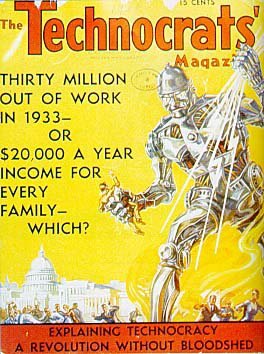
Technocracy began with an intoxicating proposition: perhaps the industrial system had become too complicated to be governed by the institutions that created it.
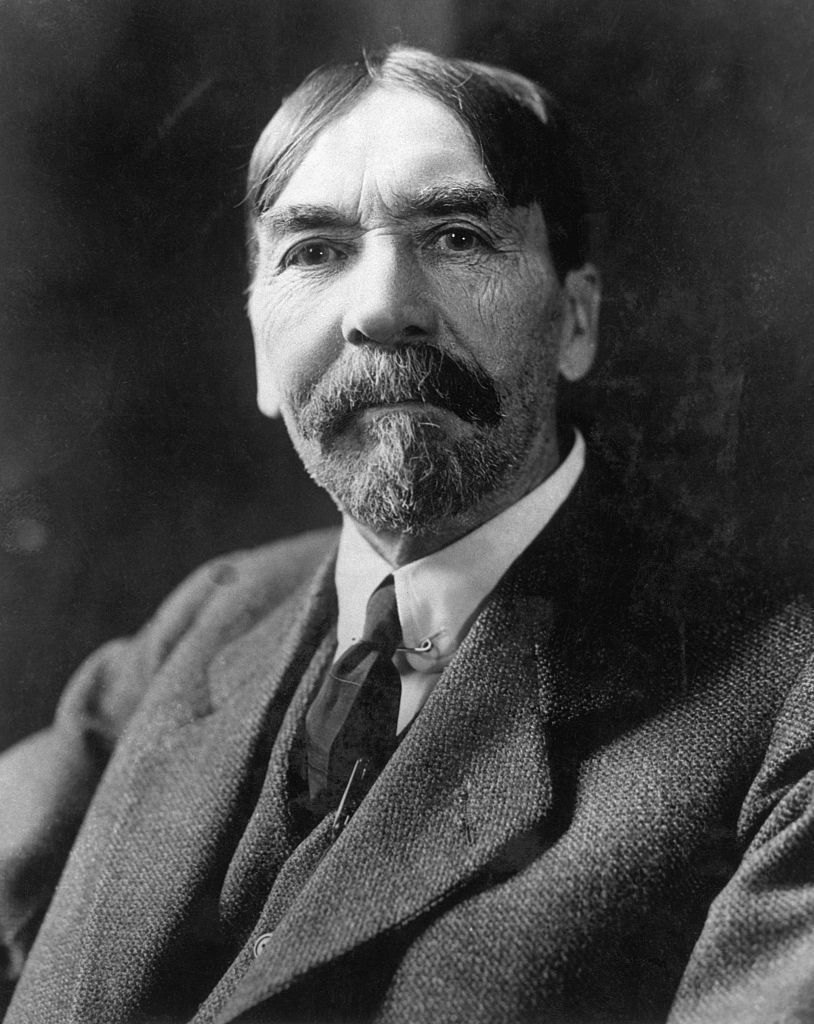
In the wreckage of the First World War, engineer William Henry Smyth coined a new word: technocracy. Smyth had been born in Birkenhead and emigrated to the United States in 1872. By 1919 he was arguing that wartime industrial mobilisation had demonstrated a new possibility—national production consciously organised with scientific and technical expertise. Modern scholarship credits his writings with introducing the term. [1]
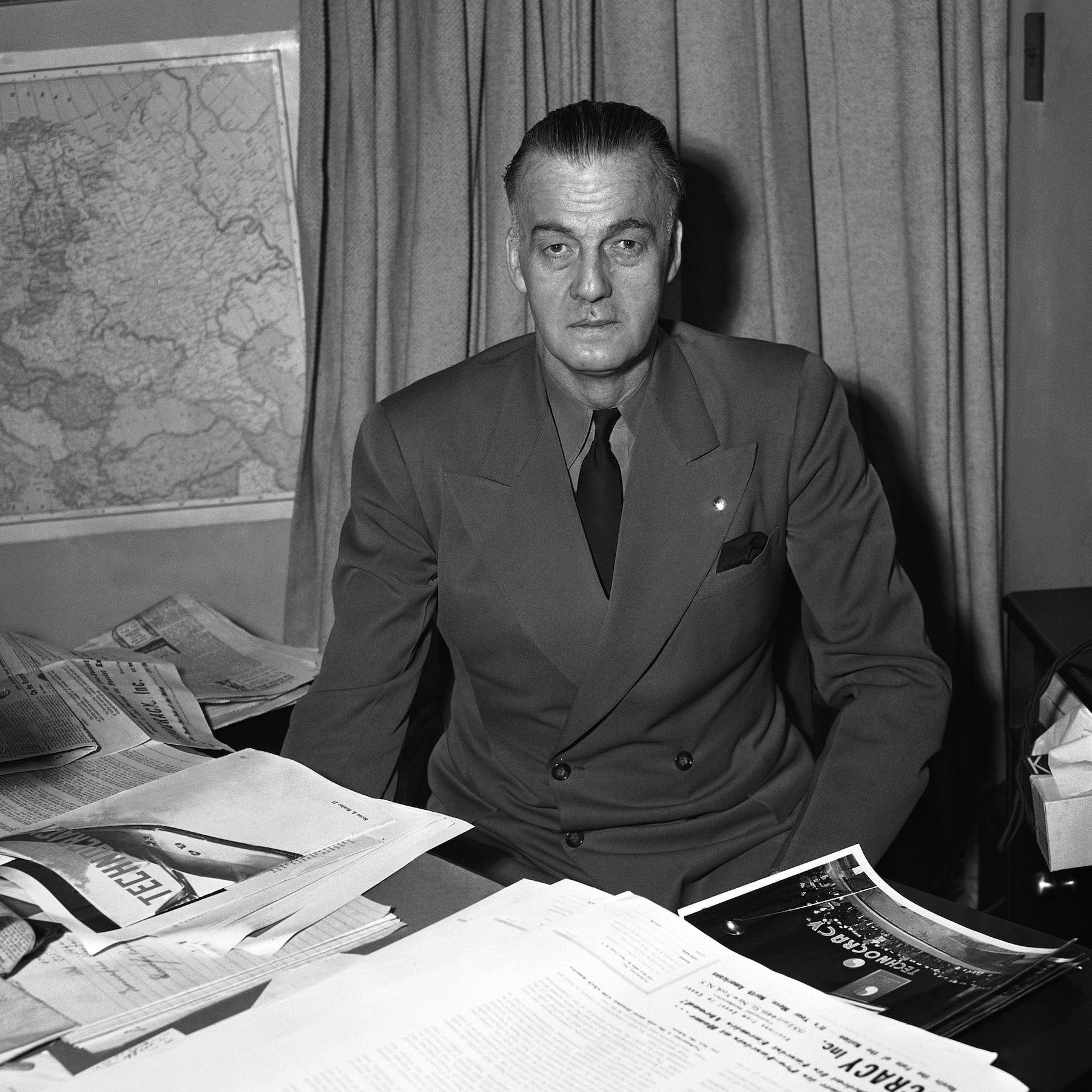
The word would travel further than Smyth's own programme. In the United States, Howard Scott emerged as the charismatic, abrasive centre of a movement that treated industrial civilisation not primarily as a political economy but as a physical system: energy in, goods out, machines, resources, people and flows.
Factories could produce more with less labour. Machines could create abundance. Yet unemployment and poverty existed beside unused productive capacity. To the Technocrats this was not a temporary malfunction. It was evidence that the monetary Price System belonged to an earlier age of scarcity and could no longer distribute the abundance made possible by industrial technology.
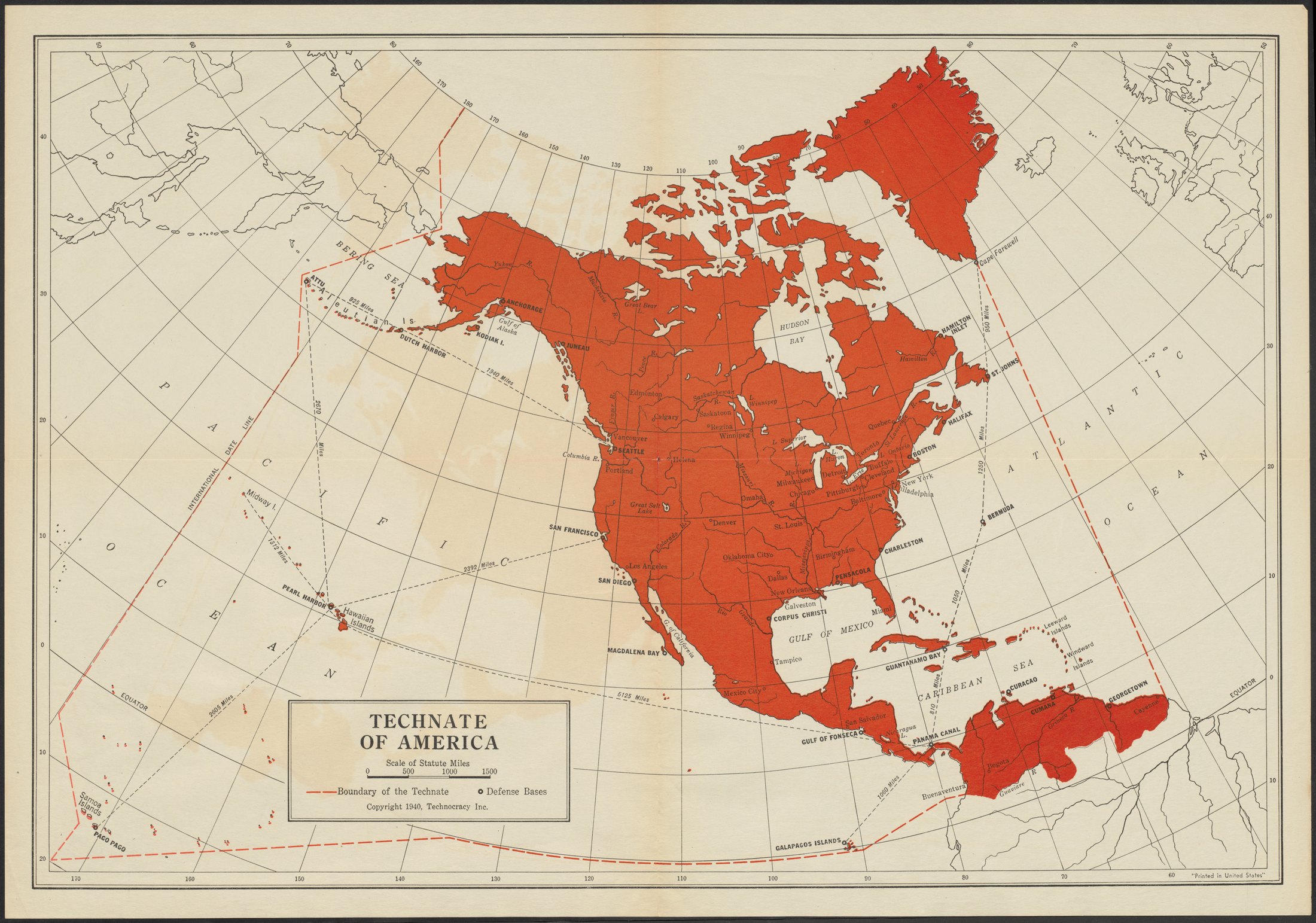
The proposed answer was extraordinary: replace much of conventional monetary accounting and political administration with a continent-scale technical system. North America would become a Technate, organised functionally and administered by people with technical competence.
Technocracy argued that monetary accounting distorted the physical reality of an advanced industrial system and tied access to goods to purchasing power rather than productive capacity.
Its alternative proposed accounting for production and consumption in physical terms, with non-transferable Energy Certificates as a distribution mechanism rather than ordinary money.
The movement's Study Course reveals how ambitious the intellectual project was. It did not begin with an election manifesto. It began with matter, measurement, energy and thermodynamics; moved through engines, industrial growth and mineral resources; then arrived at money, purchasing power, the Price System and finally “Technocracy: The Design.” The intended effect was to teach the reader to see civilisation differently before presenting the replacement. [2]
For a brief moment during the Great Depression, Technocracy stopped being an eccentric engineering argument and became national news.
Scott's earlier Technical Alliance had attempted to survey North American productive capacity in energy terms. In the early 1930s, as economic crisis deepened, his ideas intersected with a circle associated with Columbia University. Among the most important recruits was the young geophysicist M. King Hubbert, later famous for his work on petroleum production and “peak oil.”
Technocracy's moment was spectacular and unstable. Newspapers treated the movement as a possible answer to capitalism's crisis. Scott's personal credibility, however, became a liability. His highly anticipated public performance at New York's Hotel Pierre in January 1933 was widely judged disastrous, and scrutiny of his background undermined the authority he claimed.
Yet the movement did not simply disappear. Scott and his associates built Technocracy Inc., with its own educational programme, sections, insignia, disciplined visual identity and continental ambition.
The visual language matters. Technocracy wanted to appear neither capitalist nor communist, neither conventional party nor debating society. Grey suggested the machine age. The Monad became an instantly recognisable mark. Organisation itself became theatre.

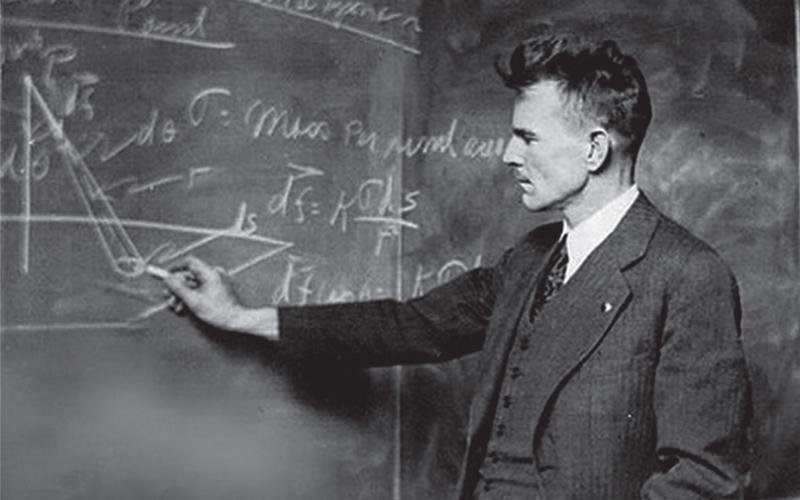
Chiropractor. Organiser. Political candidate. Technocrat. Defendant. Pilot. Adventurer. Polemicist.
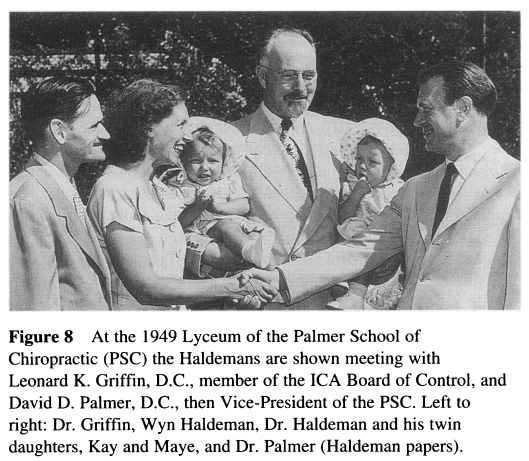
Joshua Norman Haldeman was born in Minnesota in 1902 and built his adult career in Canada. He trained at the Palmer School of Chiropractic, practised in Regina and became an important figure in the professional organisation of Canadian chiropractic. A scholarly biographical study by Joseph C. Keating Jr and Scott Haldeman credits him with work on the wording of Saskatchewan's 1943 Chiropractic Act and involvement in national professional bodies and the creation of the Canadian Memorial Chiropractic College. [3]
That respectable professional history ran alongside something far less conventional. During the later 1930s Haldeman became deeply involved with Technocracy Inc. The same scholarly account identifies him as research director for Technocracy Inc. of Canada. Other surviving descriptions place him in an instructional and leadership role.
This is the point where the family tree and the movement become one story.
Haldeman held a significant position in the Canadian organisation and participated in the movement during the period when Canadian authorities increasingly viewed it through the lens of wartime security.
Haldeman's involvement does not demonstrate that his grandson later inherited Technocracy's programme. Any comparison with Elon Musk has to be made idea by idea, with chronology and evidence.
This remains one of the most important archival questions. A title can sound more precise than the surviving evidence allows. We need Haldeman's own lectures, correspondence, section records, advertisements and contemporary reporting to reconstruct what he actually did week by week: what he taught, what he wrote, whom he organised and how closely he worked with the movement's continental leadership.
That uncertainty is not a weakness to hide. It is the research problem itself.
War transformed an eccentric continental movement into a question of state security.
Canada entered the Second World War in September 1939. In June 1940 the federal government outlawed Technocracy Inc. under wartime regulations. Canadian historical accounts record branches across the country and describe Haldeman as one of the members who faced legal proceedings. The ban was eventually rescinded in 1943. [4]
Haldeman was arrested in Vancouver in October 1940 and returned to Regina. But the legal history needs care. Surviving accounts can collapse several proceedings into one. Evidence distinguishes a membership allegation from charges connected with publication of a newspaper advertisement titled Statement of Patriotism by Those Who Were Technocrats. Later summaries variously emphasise acquittal on membership or a fine connected to publication.
For the final historical record, “Haldeman was convicted” and “Haldeman was acquitted” are both too crude when stated alone. The charges, dates, verdicts and penalties should be reconstructed separately from court and contemporary newspaper records.
The episode matters because it places Haldeman not on the fringe of a family anecdote but inside a real confrontation between a political-technological movement and the wartime Canadian state.
Haldeman's politics did not end with the movement. He became active in Social Credit and served as national chairman during the war years, later standing unsuccessfully for Parliament. His subsequent ideological trajectory became increasingly idiosyncratic and, in later writings, included racist, antisemitic, conspiratorial and pro-apartheid views. Those later positions should not simply be projected backwards onto Technocracy Inc., nor should Technocracy's programme be used to sanitise them.
Technocracy survived its early-1930s media collapse. In 1947 it put its organisation on the road.
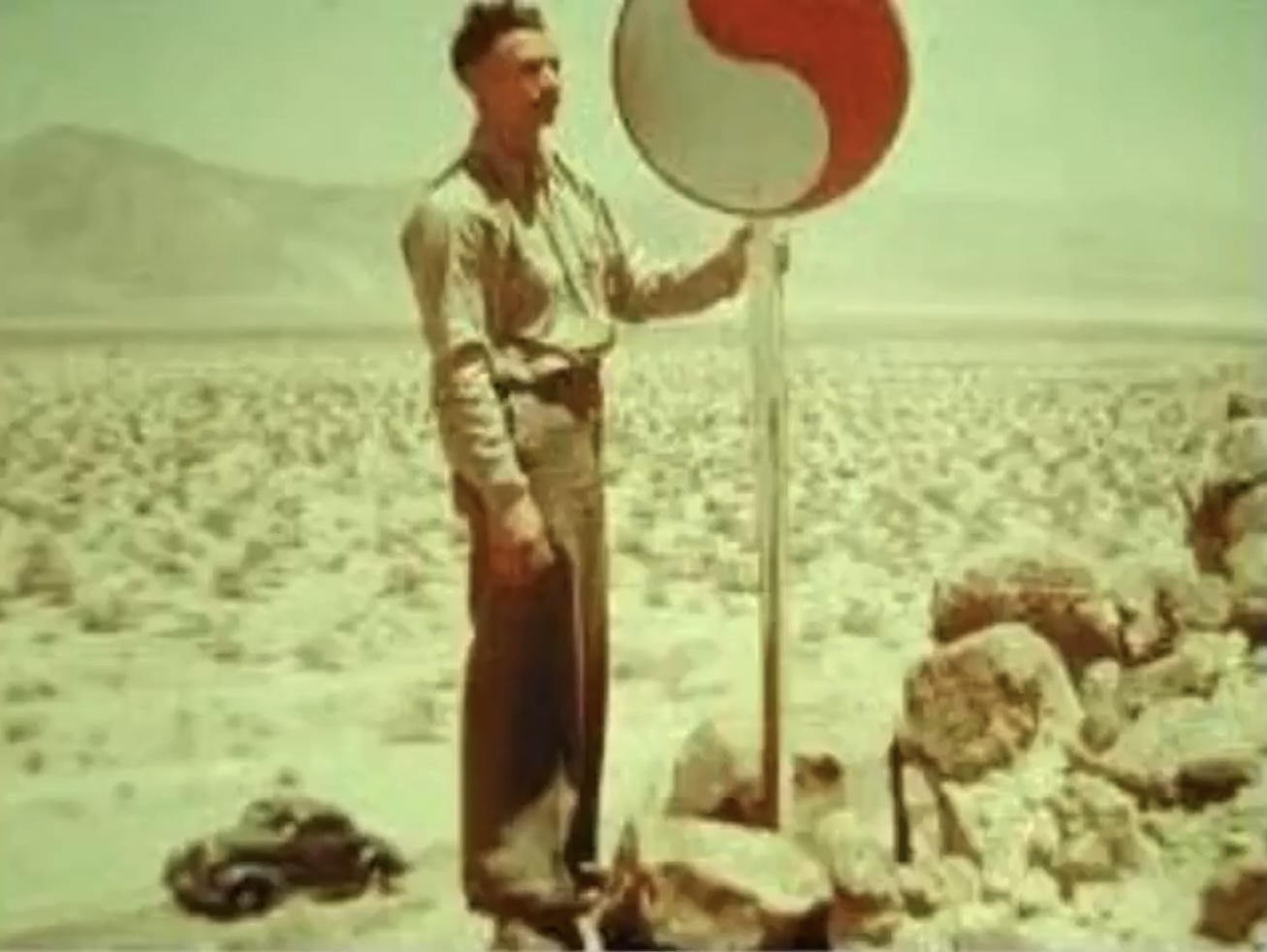
Operation Columbia was Technocracy as moving image: a long motorcade of regulation-grey vehicles travelling from the Los Angeles area north toward Vancouver, accompanied by lectures and publicity. Contemporary Oregon reporting described part of a “gray fleet” of roughly 300 vehicles travelling between the Mexican border and Canada.
The movement understood something political organisations have always understood: ideas acquire force when they become spectacle. The Monad on a sign, identical vehicles, disciplined movement across a continent—these made the proposed Technate briefly tangible.
Sources connected with Technocracy describe Operation Columbia as having been recorded on 16-mm colour film. That makes the hunt for surviving footage more than decorative. Film can tell us how the movement wanted to be seen: the choreography, clothing, vehicles, landscape and public audiences that printed doctrine cannot capture.
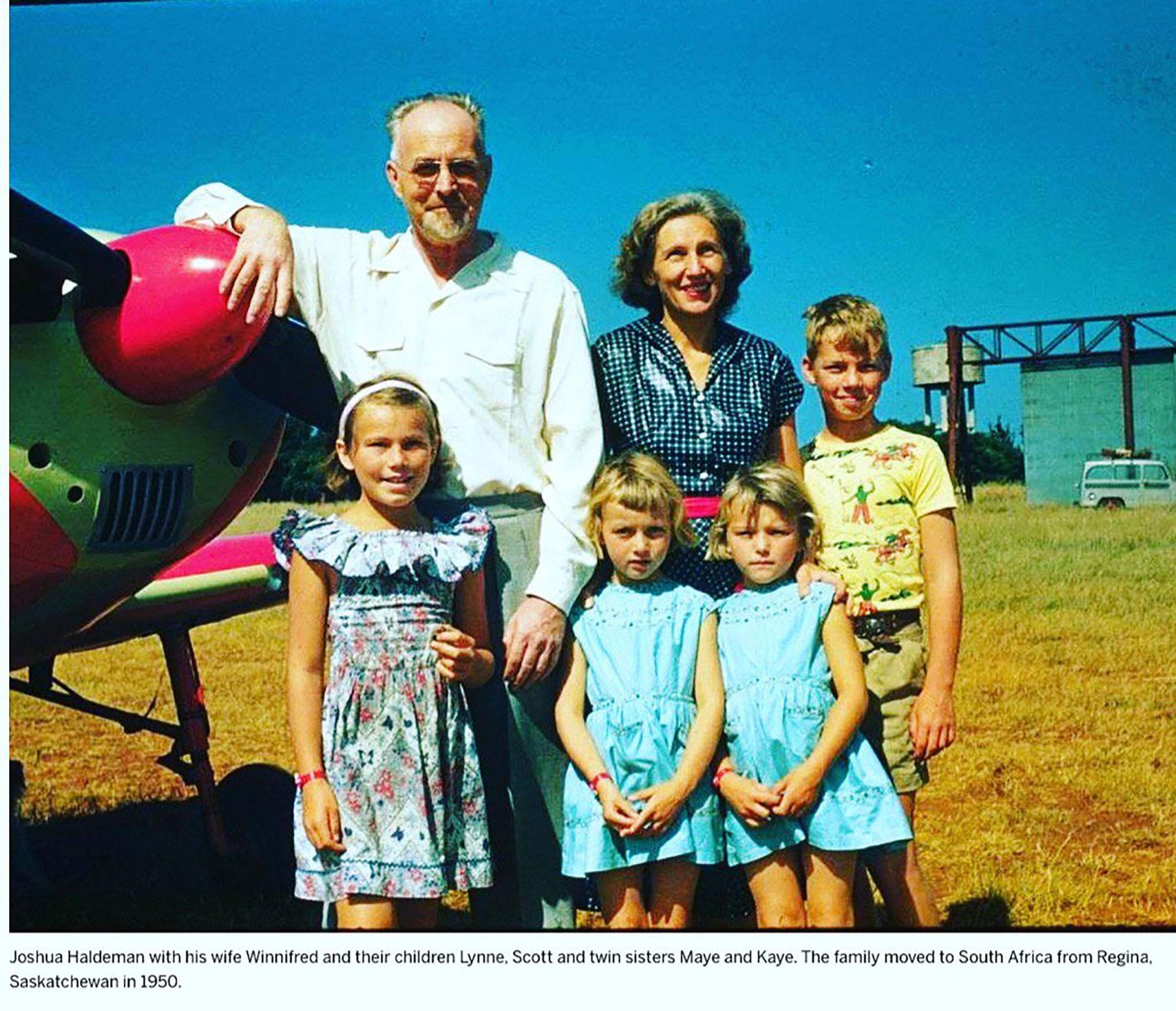
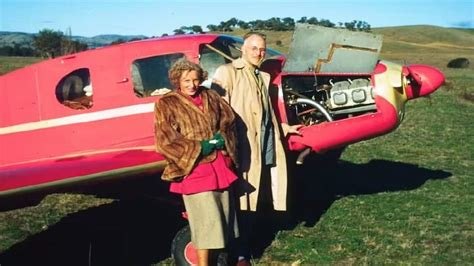
In 1950 the Haldeman family left Canada for South Africa. The political organiser became an aviator and adventurer.
Joshua and Wyn moved their family to Pretoria in 1950. Haldeman had learned to fly in the late 1940s, and aviation became central to the family's life. Their journeys across southern Africa—including searches associated with the legendary “Lost City” of the Kalahari—helped create the adventurous family mythology later retold by descendants.
This phase is tempting to romanticise: light aircraft, desert landscapes, family expeditions. But it belongs beside the politics of apartheid-era South Africa and Haldeman's own later political writing. Adventure and ideology occupied the same biography.
Haldeman died in a plane crash in South Africa in January 1974.
The resemblance is the temptation. The evidence is the discipline.
There are obvious reasons people now look backwards from Elon Musk toward Joshua Haldeman. Both biographies contain technology, continental scale, engineering language, impatience with conventional institutions and visions of radically reorganised systems.
But history is not a family resemblance machine.
Technocracy Inc. sought to supersede the monetary Price System. Elon Musk became one of the most successful entrepreneurs produced by that Price System. Technocracy imagined a continent administered through technical functions; Musk's career has been built through privately controlled corporations operating within markets, government contracts and capital finance. Similar language about engineering and civilisation can conceal profoundly different institutional projects.
Historian Jill Lepore has made the useful distinction plainly: she has said she has no evidence Musk's ideas came from his grandfather, while observing that there are ideas the two appear to share. That is exactly the line an evidence-led history should preserve.
Joshua Haldeman was Maye Musk's father and Elon Musk's maternal grandfather. Haldeman held a significant role in Canadian Technocracy.
Large-scale engineering, technological optimism and impatience with inherited systems invite comparison. They do not establish transmission.
Technocracy's proposed abolition of conventional monetary distribution sits awkwardly beside a grandson whose power was accumulated through equity, investment and market capitalism.
What did later generations know about Joshua's Technocracy years? Letters, family papers and direct recollections may eventually sharpen the answer.
That leaves us with a better question than “Did Elon Musk inherit Technocracy?”
A century of ideas, family movement and technological ambition.
This page is an editorial synthesis, not the end of the archive hunt. The strongest next stage is primary documentation: court files, newspapers, Technocracy section records, Haldeman papers, Canadian government records and civil-registration evidence for the genealogy.
Epilogue
We began with a grandmother.
From there, the trail ran backwards: through Saskatchewan and Pretoria, through courtrooms, chiropractic associations and political campaigns, until it arrived among a peculiar group of engineers and reformers who believed that the problems of modern society might be solved by treating a continent as a machine.
Technocracy did not take over North America. Its energy certificates never replaced money. The Technate was never built. The grey cars and Monad insignia receded into the margins of twentieth-century history.
But Joshua Haldeman was there.
That is the important distinction. We do not need to turn coincidence into conspiracy, or genealogy into ideology, to make the history interesting. Haldeman's involvement with Technocracy was not a metaphor invented after the rise of his grandson. It belonged to his own documented life.
And Elon Musk is not Joshua Haldeman.
There is no evidence that a package of Technocratic ideas was deliberately handed from grandfather to grandson. There are also striking echoes: enormous engineering systems, continental infrastructure, energy, technological administration and a conviction that technical problems can sometimes be attacked at a scale that conventional institutions find difficult to contemplate.
The differences matter just as much. Technocracy wanted to supersede the Price System. Musk became extraordinarily successful within capitalism. Technocracy distrusted the rule of financiers and politicians and imagined authority passing to technical specialists. Musk's world is one of corporations, investors, government contracts, markets and intensely personal control.
Perhaps that contradiction is more interesting than a neat inheritance story would have been.
Family history rarely travels in straight lines. Ideas disappear, mutate, become anecdotes, survive as attitudes, or vanish altogether. Sometimes all that remains is a photograph in a box, a name in an old newspaper, or a story about where somebody's grandmother came from.
That was enough to start digging.
And there is more to dig.
The records behind this story are scattered across newspapers, archives, books, court proceedings and family histories. Some questions remain unresolved. As further documents emerge, this account should be capable of changing with them. If you have a photograph, document, correction or piece of the Haldeman story that belongs here, mediastir wants to see it.
Because an investigation like this shouldn't really end with publication.
It should leave the archive a little more open than it found it.
And besides—
There was still the matter of the engineer from Birkenhead.